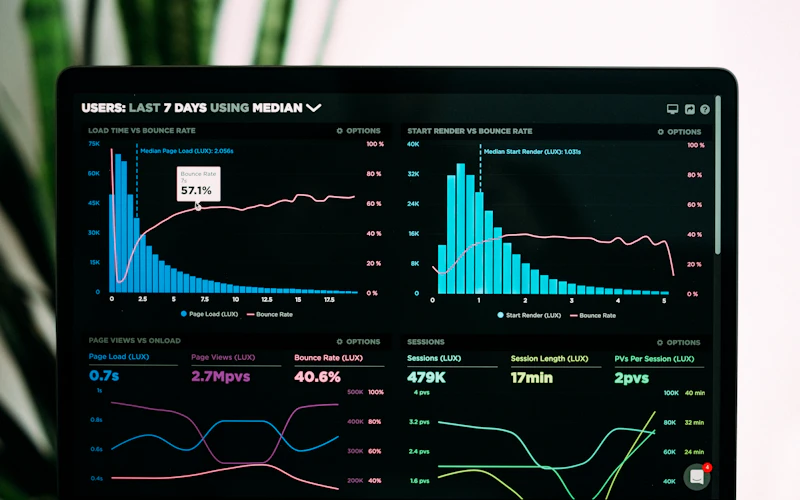
A practical breakdown of when fine-tuned models outperform prompt engineering and how to make the call for your specific use case.
Introduction
This article walks through a practical implementation using the Nexus AI platform. Whether you are new to AI automation or an experienced builder, these patterns apply directly to your workflow and can be adapted to your specific stack.
We will cover the foundational concepts, walk through a real configuration, and share the gotchas we discovered while building this ourselves.
The Problem Worth Solving
Most teams hit the same wall: they can see that AI should be able to handle a task, but connecting the model to their actual data, tools, and approval flows is an engineering project of its own. Nexus eliminates that integration tax.
The goal is to turn a multi-week project into a two-hour configuration session — no code, no DevOps, no infrastructure management.
Step-by-Step Walkthrough
Here is the exact sequence we recommend for first-time builders:
- Define your trigger — what event starts the workflow?
- Map your data sources — where does the AI need to read from?
- Configure the AI action — which model, which prompt template, what output format?
- Set your write-back destination — Slack, email, CRM, webhook?
- Test with real data before setting it live.
Results You Can Expect
Teams that follow this pattern consistently report a 60–80% reduction in the manual time spent on the targeted task within the first two weeks. The bigger gain comes at month three, when the workflow has enough history to trigger on edge cases you did not anticipate at setup time.
Conclusion
AI automation is not about replacing people — it is about giving them back the hours they spend on work that a machine can do just as well. Start with one workflow, measure the impact, and expand from there. The compounding effect is real.
Ready to build? Start your free account and have your first workflow running today.